Why Version Control Exists: The Pendrive Problem
Before Git, GitHub, and modern version control tools, developers had a very simple—but very risky—way of managing code.
They used pendrives, emails, and folders.
This article explains why version control exists, using a very common real-life problem: the pendrive workflow.
Life Befor Version Control
Imagine you are working on a project.
You write code, save it, and copy it to a pendrive.
Now things start getting messy.
You make changes → save again
You’re not sure if the previous version was better
So you create a new folder
Soon your project will be look like this
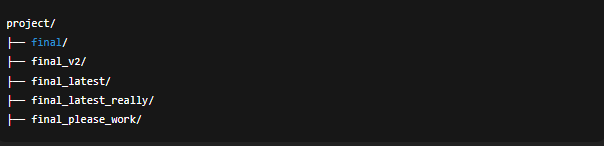
This was normal before version control systems.
The Pendrive Analogy
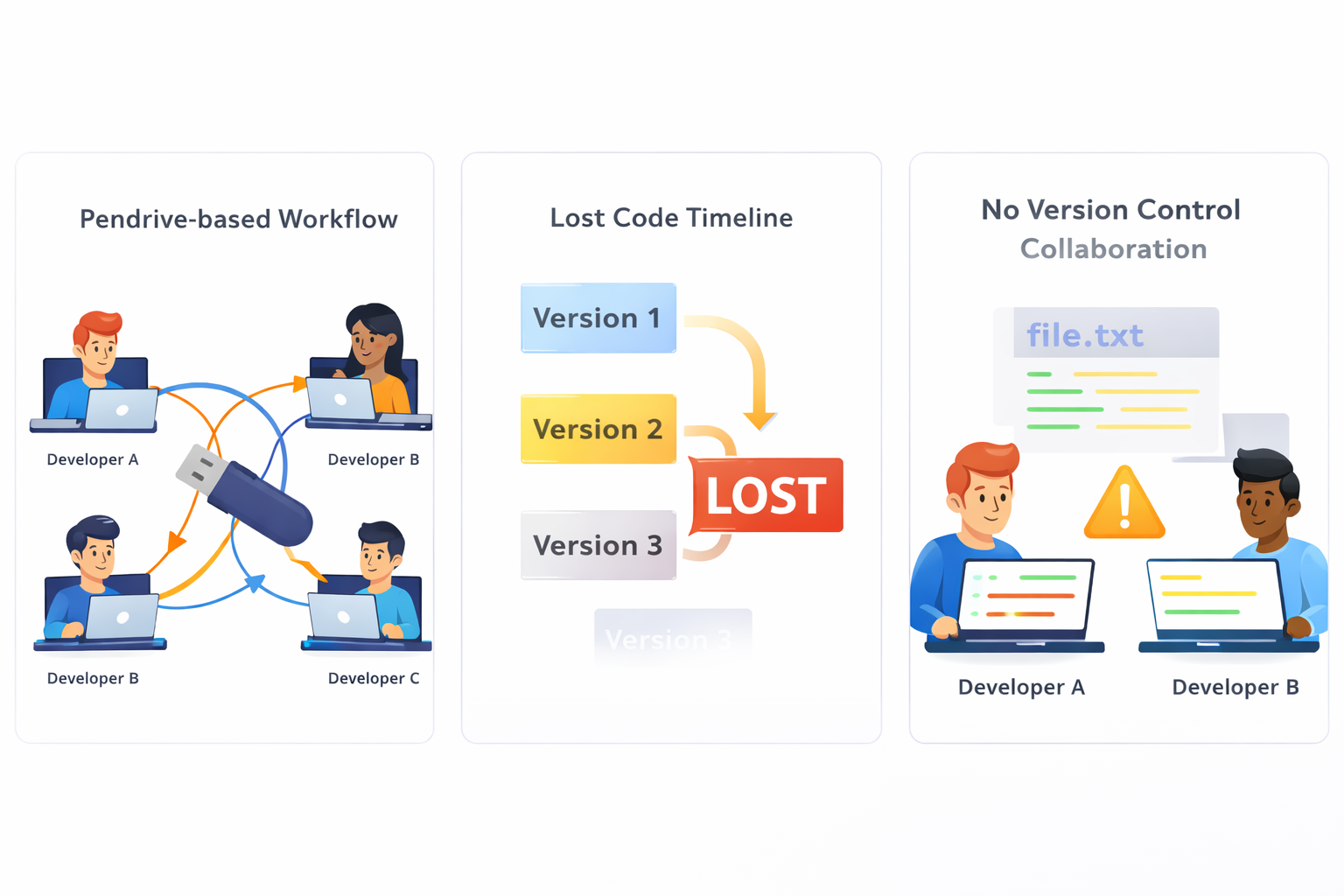
Let’s say a team of 3 developers is working on the same project.
What usually happened:
Developer A edits the code and saves it on a pendrive
Developer B takes the same pendrive and edits the same file
Developer C emails their version as an attachment
Now no one knows:
Which version is correct
Whose changes are missing
Who broke the code
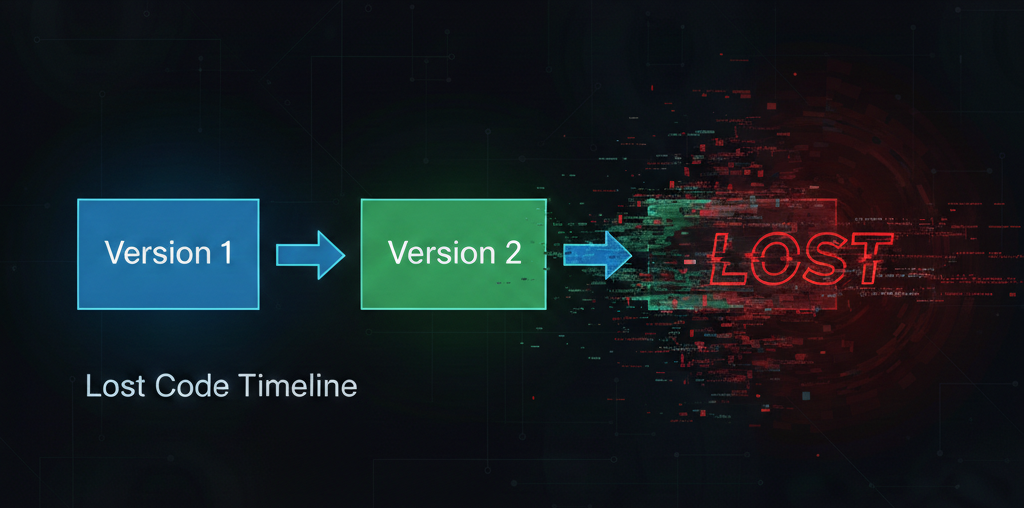
Sometimes, good code was overwritten forever.
Problems Before Version Control
1. Overwritiing Code
One person’s changes could easily replace another’s work.
There was no warning, no history, no undo.
2. Losing Changes
If a pandrive got corrupted or an email was lost, the code was gone.
Forever.
3. No Collaboration History
Teams had no way to answer:
Who changed this file?
When was this line added?
Why was this logic written?
Everything depended on memory.
Multiple Developers, Same File
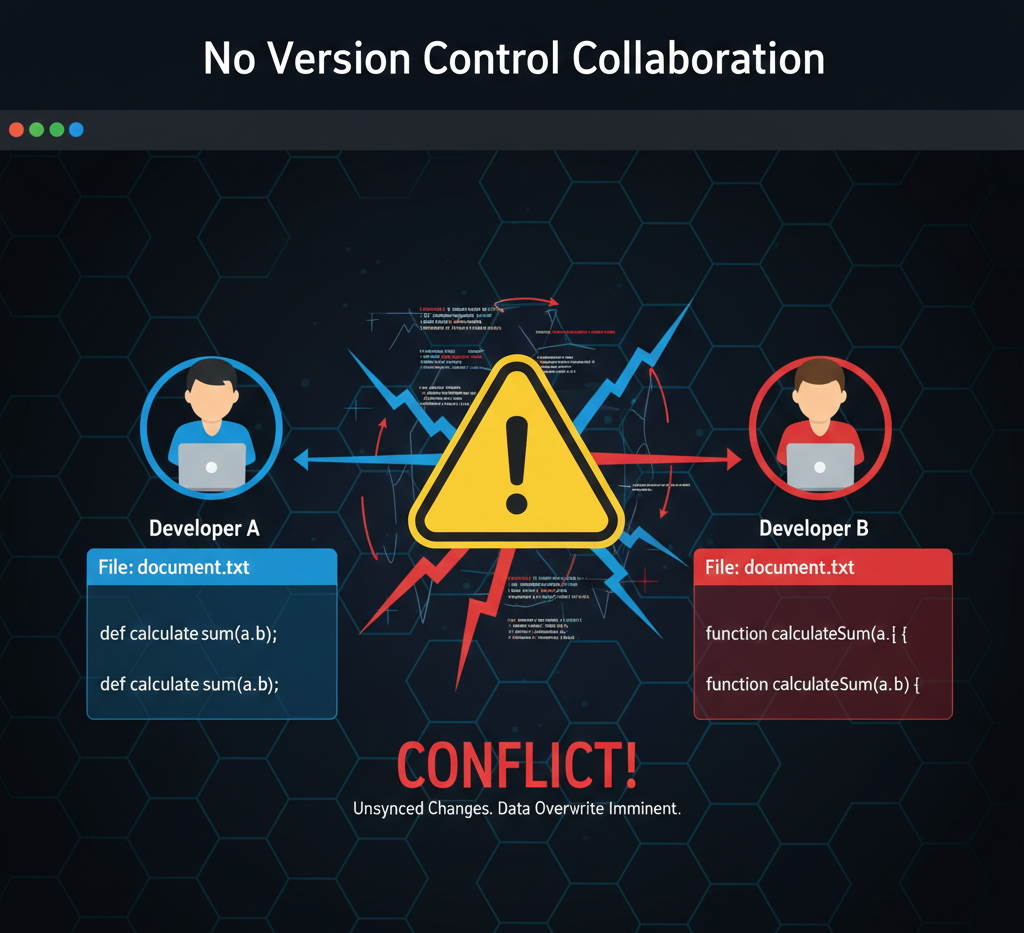
Without version control, two developers editing the same file was a nightmare.
Both worked separately
Both thought their version was correct
Merging meant manual copy-paste
This caused:
Bugs
Conflicts
Wasted tim
Why Version Control Became Necessary
As software projects grew bigger, these problems became impossible to ignore.
Teams needed:
A full history of changes
A safe way to experiment
Proper collaboration without overwriting code
This is where Version Control Systems (VCS) were born.
How Version Control Solve the Pandrive Problem
Instead of copying files manually:
Every change is recorded
Every version is saved
Multiple people can work safely
Version control allows developers to:
Go back in time
See who changed what
Work together without fear
Modern development cannot survive without it.
Final Thoughts
The pandrive workflow worked only when projects were small.
But as teams grew, it created more problems than solutions.
Version control didn’t just improve development —
it made modern software possible.